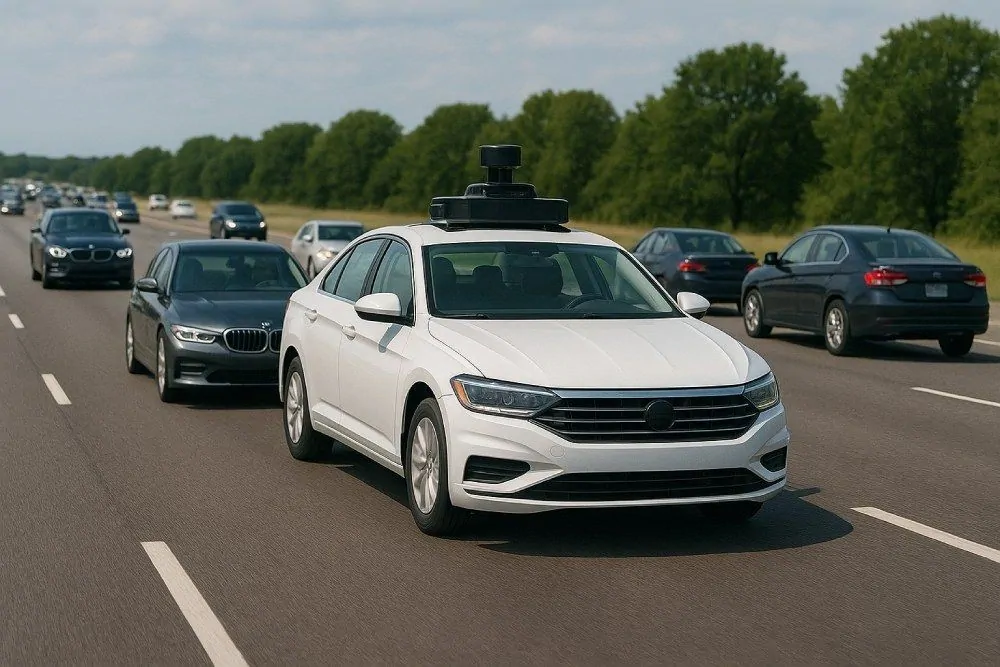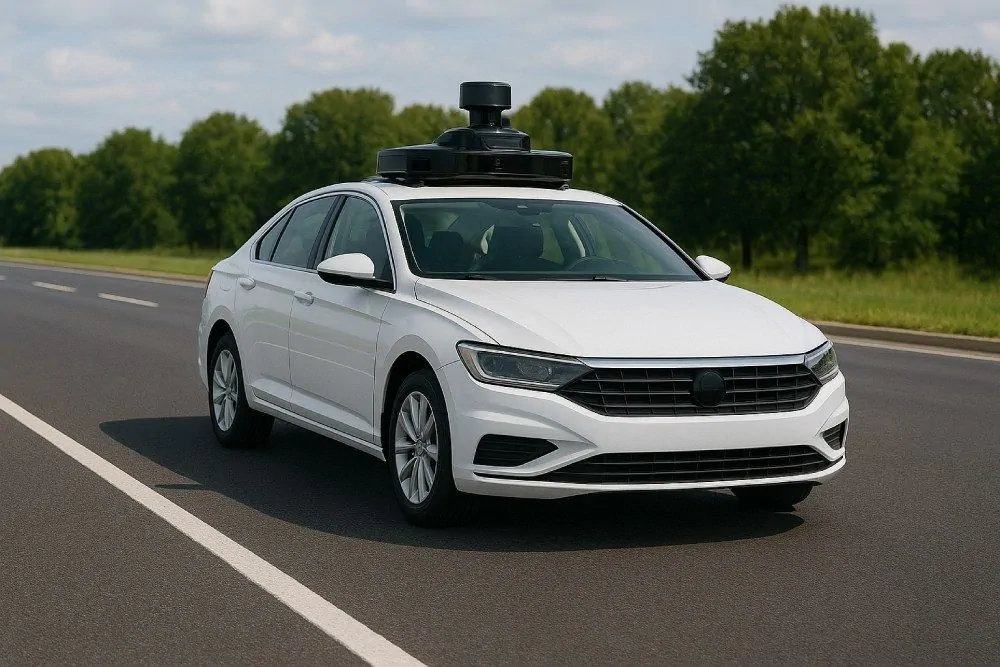
Ever wondered how autonomous vehicles (AVs) "see" the road? It's not just about cameras detecting objects; a critical, often-overlooked element is road line marking. These seemingly simple painted lines are a sophisticated language speaking directly to self-driving cars.
Beyond Human Eyes: Lines as Data Points
For human drivers, a solid white line signifies a lane boundary, while a broken one indicates a passing lane. But for an AV, these markings are precise data points. High-resolution sensors and algorithms interpret line type, color, width, and reflectivity to accurately define lanes, understand merging points, and identify no-passing zones. Without clear, consistent markings, an AV's ability to safely navigate complex road networks is severely compromised.
The Future of Driving Relies on Precision
As autonomous technology rapidly advances, the demand for exceptionally clear and durable road line marking has never been higher. Every line contributes to the intricate digital map AVs use for real-time decision-making. Ensuring these markings are not only visible to the human eye but also perfectly legible to advanced vehicle sensors is paramount for the safe and efficient future of transportation. It's a silent, yet indispensable, dialogue happening on our roads every second.